

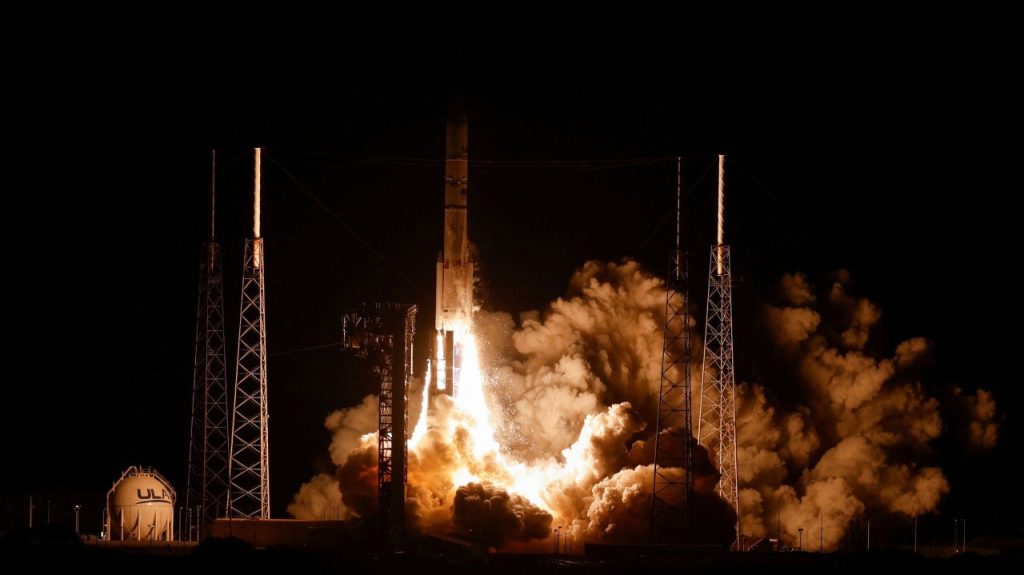
After more than 50 years, a US-built moon Moon Lander was launched. As the first privately contracted development by NASA, the Peregrine lander opened up ways for private organizations to carry payloads to the moon. However, the mission’s success was short-lived as a leak was detected in its propulsion system soon after launch, making it lose more fuel than ideal to complete the mission. Initially expected to last for 192 hours, the lander will be operational for only ~100 hours* due to excessive fuel loss.
What can we learn: Space is hard. The environmental factors are ‘unknown unknowns’ making it difficult & expensive to develop reliable systems. The fuel leak is currently hypothesized by the manufacturer as a “fuel tank valve failed to reseal after initialization” from telemetry data. The engineers must have considered all design margins and have yet to release a formal report. What we can learn is that components that go through on-off cycles need testing for both complete & partial failure. Does the power flow stop completely or only partially? How is the feedback control set up – Will the valve experience ‘stickiness’ during actuation under extreme temp or at high cycles? Regardless, the talented team at mission control is working relentlessly to gather as much data about other components as possible. Their efforts are analogous to using Risk Guidance methodology to alter program direction based on new data. This is valuable Reliability data that they can use for their next mission- Griffin.
How many states of failure do you have in your test programs? Do you have “hard fail” and “soft fail?” The system does not recover when stress is removed and can recover when stress is removed. Do you have uptime states that can help group partial failures that the system can push through in limited functionality modes? Take some time with your team to see if your failure and uptime states could use more resolution.
-Adam